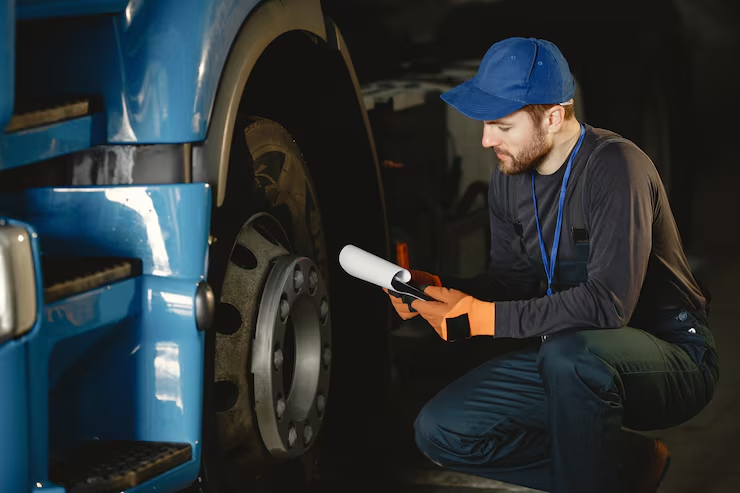
Heavy-weight dump trucks have to do a tough job every day. Heavy loads. Uneven surfaces. Long hours. Delays hurt their bottom line, which is why most operators focus on continually moving projects along. The truck only has to fire up in the morning and get the work done before supper. However, mechanical issues do not normally occur in advance. A weird noise when turning. Slower hydraulic response. Brakes that don’t feel right. Many people ignore these signs because the truck still starts. That becomes a pricey choice down the line.
You say that small issues tend to grow when you ignore them. Thus, dump truck repair in Crescent becomes a crucial element of fleet upkeep, not a last-minute fix. Repair is not necessarily always the repair of major disasters. They often mean spotting wear before it causes a schedule to grind to a halt. One truck out of service for days means failed deliveries, construction delays, and people waiting for the work to be done.
Companies such as MSR Manufacturing & Trucks Sales understand that dump trucks face different demands compared to ordinary commercial vehicles. They operate under constant pressure. Repeated loading cycles. Exposure to dirt and debris. Frequent stops and starts. This stress is felt differently by each component. Last but not least, it helps owners respond before repairs turn complicated if they know which problems tend to arrive in order.
Hydraulic Problems Often Start Small
The hydraulic system plays a central role in dump truck operation. Without it, unloading becomes impossible.
Operators sometimes notice that the dump bed lifts more slowly than usual. Others report unusual noises during operation. Minor fluid leaks are another common warning sign. At first, these problems may seem manageable. The truck still works. The load still moves.
Over time, however, hydraulic issues can become more severe. Contaminated fluid. Damaged seals. Worn cylinders. What begins as a small inconvenience may eventually stop operations entirely.
Delaying inspection rarely improves the outcome.
Brake Wear Can Affect More Than Safety
Dump trucks frequently carry significant weight. That extra demand places pressure on braking systems every single day.
Brake pads wear down. Rotors develop uneven surfaces. Air brake components may require attention after repeated use. Drivers sometimes adapt without realizing it. They press harder on the pedal. They allow greater stopping distances.
These adjustments become habits.
The concern is that braking performance gradually changes rather than failing all at once. Because the shift happens slowly, it can be overlooked during busy periods. Routine maintenance helps identify these concerns before they create larger operational problems.
Suspension Components Experience Constant Stress
Construction sites and uneven terrain create challenges that ordinary roads do not.
Suspension systems absorb much of that impact. Leaf springs. Bushings. Shock absorbers. Mounting points. Each part contributes to vehicle stability.
When components begin to wear, drivers may notice rougher handling or unusual movement while carrying loads. Some describe increased vibration inside the cab. Others observe uneven tire wear.
The symptoms are not always dramatic.
That is partly why they are easy to postpone.
Electrical Concerns Can Interrupt Daily Operations
Modern dump trucks depend on electrical systems more than many people realize.
Lighting systems support visibility. Sensors provide important feedback. Starting systems depend on reliable electrical connections. When problems develop, they often appear inconsistently.
One day, everything works normally.
The next day, there is difficulty starting the vehicle.
Loose wiring, failing batteries, and damaged connectors are examples of issues that can interfere with productivity. Troubleshooting these concerns early often prevents unexpected downtime.
Engine Performance Should Not Be Ignored
Engines communicate problems in subtle ways.
Reduced power. Increased fuel consumption. Excessive smoke. Difficulty accelerating under load. These signs sometimes emerge gradually enough that operators adjust their expectations rather than seek inspection.
That approach carries risks.
Engine-related repairs tend to become more extensive when warning signs are dismissed. Filters require replacement. Fuel systems need attention. Cooling systems benefit from regular evaluation. Addressing concerns promptly supports both performance and reliability.
Preventive Maintenance Supports Long-Term Efficiency
A lot of the repair conversations are limited to emergency scenarios.
Breakdowns get the spotlight because they cause an immediate disruption of operations. But preventive maintenance often yields greater value over time. Scheduled inspections help identify wear patterns before components fail.
This opens the way for planning repairs and not having to run in case of them.
Planning reduces uncertainty.
Preventive Maintenance also aids businesses in managing operational demands with a greater minimization of interruptions.
Conclusion
Every day, dump trucks work in dependable environments. Tight schedules offer no space for unexpected repairs. A small hydraulic leak or a funny vibration can turn what should be a minor issue into something that significantly impacts the project’s productivity, costs, and timelines.
Being aware of the most common warning signs helps operators react before things spiral out of control. Brake concerns. Suspension wear. Electrical faults. Engine performance changes. None of these should be dismissed out of hand as just the nature of the job.
Maintenance does not occur only when something stops working.
Sort of preparing equipment for just what is ahead.