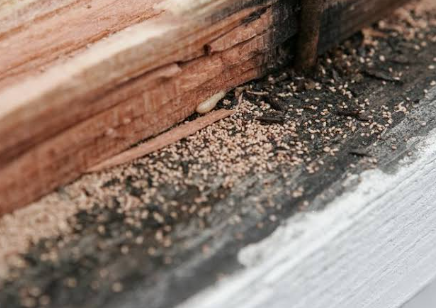
Termites are a household threat that works quietly. By the time most Clermont homeowners sense that something is wrong, a colony may have been feeding behind the walls for months or years. Central Florida’s warm, humid climate hands subterranean termites a near year-round growing season, and their earliest evidence pretends to be ordinary household wear. Learning to notice those clues and knowing when to lean on professional Florida termite control services can mean the difference between a modest treatment and a five-figure repair.
Why Termites Stay Hidden for a Long Time
Subterranean termites, the dominant species throughout Lake County and the greater Clermont area, nest underground and reach their food through mud tunnels. A mature colony can shelter more than 50,000 members and consume a cubic foot of wood in six months, but they almost never expose themselves to daylight. Sandy soil, frequent rainfall, and the region’s relentless moisture give them ideal cover to thrive beneath foundations, porches, and landscaping. Mild winters also exacerbate the issue. With little seasonal die-off, colonies that take hold near Clermont keep feeding through months that would slow them in colder states.
The Early Signs That Slip Past Most Homeowners
The problem with termites is that their opening moves are quiet and easily dismissed. Each of the clues below is worth a second look:
- Pencil-thin mud tubes running up foundation walls, piers, or crawl-space supports. These earthen highways shield termites as they travel, and they are easy to mistake for dried dirt or a harmless crack.
- Discarded wings scattered near windowsills, baseboards, or door frames, usually after a spring swarm. The insects shed them within hours, leaving only a faint, translucent litter that a quick sweep can erase.
- Doors and windows that suddenly stick. The moisture that termites introduce warps wooden frames, so a door that won’t latch may mean more than Florida humidity.
- Blistered or bubbling paint. This resembles minor water damage but conceals hollowed wood beneath.
- Wood that sounds hollow or papery when tapped. This is proof that the interior has been eaten away while the surface stays intact.
- Faint clicking or rustling inside walls. This is the sound of soldier termites signaling the colony.
Where to Look First Around Your Property
Termites are found in areas where wood, soil, and moisture meet. Around a typical Clermont home, the possible spots include the foundation perimeter, dirt-filled porches, firewood stacked against exterior walls, raised garden beds, mulch laid too close to the slab, leaking pipes, and aging wooden fences. Walk around these areas every few months with a flashlight in hand to catch early signs. Pay attention to the shaded, damp corners that termites favor.
Still, even a careful homeowner can only catch so much on their own. As a small, homegrown Central Florida company, Avata Pest Control delivers personalized inspections that huge national franchises rarely manage, often reaching new customers within a day or two of the first call. Its subterranean Termite Protection Program layers bait-station monitoring, targeted liquid soil treatment, and interior foam where conditions demand it. This is reinforced by yearly inspections that keep a contained problem from creeping back.
See also: Best Foot Massager in Pakistan for Pain Relief | Highlife
Protecting Your Home Before the Damage Spreads
A little prevention goes a long way with termites. Keep mulch and firewood away from the foundation, repair plumbing leaks promptly, and direct sprinkler spray and gutter runoff well clear of exterior walls. These steps strip away the moisture that colonies depend on. Pair these measures with a professional inspection at the first hint of mud tubes or shed wings, and you turn a potential structural crisis into a routine, manageable fix. For Clermont homeowners, the most valuable defense is knowing what to look for before the silent destroyers settle in.