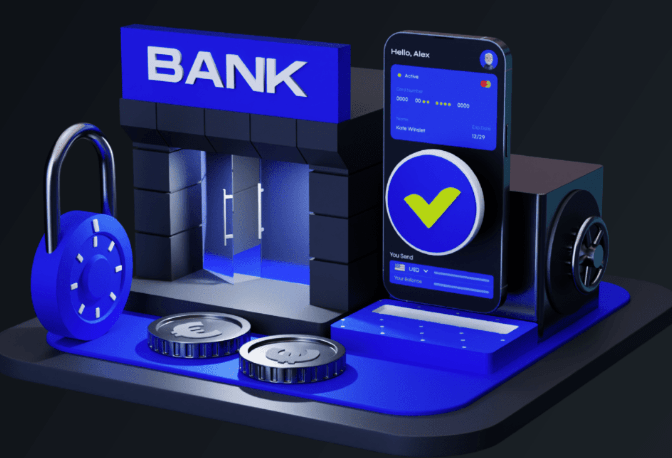
Open Banking enables secure sharing of financial data with consumer consent, unlocking third-party services and streamlined payments. Standardized APIs, granular authorizations, and auditable logs support privacy and accountability. Benefits include faster decision-making and more personalized options, while risks center on data privacy and system resilience. Governance, compliance, and risk management shape implementation. This framework offers tangible use cases from budgeting to product comparison, but questions remain about trust, scale, and long-term consumer protection.
What Open Banking Is and Why It Matters
Open banking is a framework that lets consumers and businesses grant secure access to their financial data, enabling third-party providers to initiate payments and offer tailored services. It creates competitive choice and faster innovation while preserving control.
The approach emphasizes user privacy and data portability, enabling informed decisions, auditable data sharing, and portability across institutions without sacrificing security or transparency.
How Open Banking Works: Data Access, Consent, and Security
Data access in open banking is governed by user consent, standardized APIs, and strict security controls that collectively govern who can read or initiate payments and under what circumstances.
Data access hinges on granular consent security, auditable access logs, and tokenized credentials, ensuring privacy while enabling services.
Compliance-driven frameworks align institutions, developers, and customers toward secure, transparent data access and controlled consent security.
Benefits, Risks, and How to Use Open Banking Safely
Benefits from open banking accrue through standardized data access and service integration, while risks center on privacy, misuse, and operational resilience; understanding these aspects helps consumers and institutions maximize value while minimizing harm.
The analysis reframes benefits as agility and transparency, while addressing security myths and vendor lock in, emphasizing auditable controls, robust consent, and routine risk assessments for safe organizational adoption.
Real-World Scenarios: From Money Management to Product Comparison
Real-world scenarios illustrate how standardized data access enables practical applications beyond compliance checks, highlighting how individuals and firms leverage open banking for everyday financial tasks.
In money management, consolidated insights support budget planning and spending optimization.
For product comparison, standardized feeds enable side-by-side evaluations of fees and features, empowering customers to choose tailored solutions without friction, fostering transparent, freedom-driven financial decisions.
Frequently Asked Questions
How Is Open Banking Regulated Across Different Countries?
Regulatory frameworks vary by country, with comprehensive regimes in the EU and UK, and mixed models elsewhere; consumer protections differ in scope and enforcement, while data access rules and supervisory controls shape compliance and cross-border interoperability.
Can I Opt Out of Open Banking Entirely?
Opting out is possible in many jurisdictions, though options and timing vary. The study notes that data safeguards exist; individuals may disable sharing with certain providers, but universal opt-out across all services is not universally guaranteed.
What Costs May I Incur Using Open Banking Services?
Open Banking costs vary; users may face subscription fees, per-transaction charges, or tiered limits. Data usage transparency remains essential as providers disclose fees clearly, enabling informed decisions while exercising freedom to compare, monitor, and opt for cost-effective services.
How Does Open Banking Affect Credit Scoring?
Recent data shows 60% of lenders consider open banking data in scoring, yet access is limited by privacy safeguards and consent controls; data portability remains essential, shaping transparency while balancing risk, innovation, and consumer freedom.
See also: Online Dispute Resolution Systems
What if My Data Is Misused by a Third Party?
If data is misused by a third party, safeguards exist: data misuse is mitigated by robust third party safeguards, transparency, and rapid breach notifications, enabling individuals to pursue redress and limit further harm while preserving freedom to innovate.
Conclusion
Open Banking operates like a trusted map, gently guiding data through standardized paths with consent as the compass. External services can layer insights onto your financial picture, much as a seasoned advisor might—without revealing every secret. When governed and audited, risks recede and resilience rises. The trend hints at smarter budgeting, personalized offers, and clearer comparisons. In this evolving landscape, users gain choice and clarity, while providers keep security front and center, ensuring the route remains open and safe.